
Preparing for Spring Storms

Preparing for Spring Storms
Spring brings warmer weather, blooming flowers and a welcome change from winter. It can also bring fast-moving storms that lead to hail, lightning strikes, heavy rain and more. A little preparation now can help protect what matters most—and help your spring season go a lot more smoothly.
Know Your Coverage
Before storm season ramps up it’s a great time to review what your policies do (and don’t) cover so there are no surprises after a loss. Most homeowners policies cover damage from hail, wind and lightning. It’s also smart to confirm what your auto policy would cover if a storm damages your vehicle. If you’d like, I’m happy to walk through Shelter’s coverage and options with you.
Prepping Your Home
Start with your gutters and downspouts. Clear out leaves and debris so rainwater can drain properly—helping prevent leaks and water damage around your home. Repair any cracks, loose connections or holes you find. A healthy gutter system also helps protect your foundation, which is the building block of a healthy home.
Next, take a few minutes to inspect your roof for loose or missing shingles. High winds can lift shingles and expose areas that allow water to work its way in, leading to leaks and damage inside your home. Catching small issues before a storm hits can save you time, money and stress later on.
Road Safety
Spring weather can change quickly, so you may run into hail, lightning, potholes and heavy rain while you’re on the road. Before you head out, check the forecast and make sure you can receive weather alerts if conditions shift. In heavy rains, slow down, increase your following distance and give yourself extra time to stop. If visibility gets poor or hail starts falling, pull over when it’s safe—or find a covered area like a parking garage to help shield your vehicle.
Prepping Your Car
Warmer temperatures can affect your tires, so check your tire pressure and make sure they’re properly inflated. It’s also a good time to wash your vehicle to remove salt and debris left behind from winter roads—especially underneath, where buildup is common. Leaving salt on your car can contribute to paint damage and rust over time. For an extra layer of protection this spring, consider applying a fresh coat of wax.
If you take a few simple steps now, you can reduce the risk of damage—and hopefully avoid having to file a claim this storm season. If you have questions about your coverage or want to review your policies before the next round of spring weather, please reach out—I’m here to help.
Share This:-
Removing Debris After a Storm
 See Tips
No matter how much you prepare for it, you can still have storm damage to your home or vehicles. If you have debris to clear, check these tips first.
-
Roof Maintenance
 Here's How
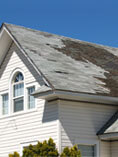
Whether or not you have roof damage from a storm, it’s a good idea to inspect your roof for potential problem areas.
-
Hail Damage
 Avoid Dings
Did you recently experience hail damage? If you got lucky, check these tips to help you avoid getting dinged next time.